
3 Excuses PBMs Use to Keep Your Rebates — And Why They’re Bogus
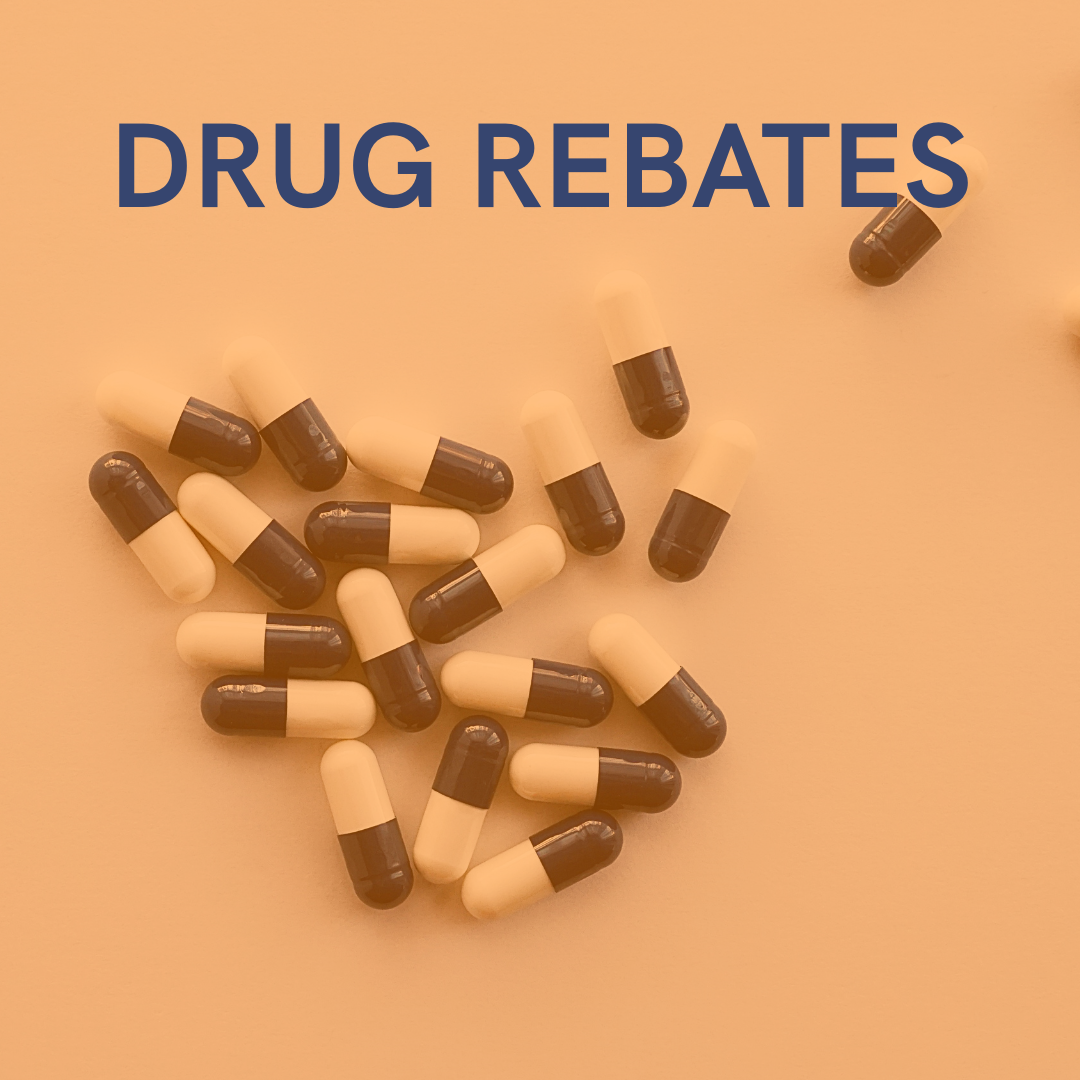
The cost of drugs has become America’s quiet scandal—skyrocketing expenses wrapped in layers of complexity that only benefit those controlling the middle. As state and federal regulators tighten the vise on transparency, one truth keeps surfacing: rebates are the soft underbelly of the PBM model. They were meant to lower costs, but for many payers, they’ve become the black box where savings disappear. The irony? The data exists, the dollars exist, and the excuses don’t hold up under daylight..
Excuse #1: “They’re Baked Into Your Pricing.”
It sounds neat, logical—even generous. Your PBM claims you’re already benefiting from rebates through lower upfront drug costs or discounted AWP. But peel back the label, and you’ll find that “baked in” means you’re paying for the ingredients, but someone else is eating the cake.
Key Point: “If rebates were truly baked into pricing, every PBM’s price should rise and fall with the manufacturer’s rebate cycle. They don’t.”
At Prodigy, we’ve tested this myth. Over and over, we’ve provided equal or better pricing and passed rebates back to our clients. The numbers don’t lie—rebates can coexist with competitive rates when transparency is real. When they’re not, someone’s pocketing the spread.
Excuse #2: “Rebates Are Hard to Reconcile Back to Your Claims.”
Here’s the PBM equivalent of the “it’s complicated” relationship status. They’ll tell you the timing doesn’t align: the claim might be closed, the patient stopped taking the medication, or the reconciliation could create extra administrative work. Quite convenient.
Key Point: “Complexity is the oldest refuge of the unaccountable. Don’t settle for mediocre.”
Every system is designed to produce the exact result it produces. If rebates are slow, opaque, and hard to match back to claims, that’s not an accident—it’s by design. The status quo benefits the PBM, not the payer. At Prodigy, we rewired the system to do what it should do: trace every dollar, align timing, and make reporting as clean as the claim itself.
Excuse #3: “Rebates Don’t Exist—Or They’re Too Small to Matter.”
This one’s almost impressive in its audacity. PBMs argue that rebates are negligible, or don’t apply to your formulary mix. The reality? Most brand drugs—specialty or not—generate rebates. Federal and state laws reference them. Even the White House has taken aim at rebate opacity through executive orders.
Key Point: “When someone tells you rebates don’t exist, ask them why laws keep being written about them.”
Across our clients, rebates often represent hundreds of thousands of recoverable dollars annually—money that can fund better patient programs, technology investments, or direct cost savings. Saying they’re negligible is like saying gravity is optional. You can ignore it, but it’s still pulling on your wallet.
The Simple Truth
When you strip away the excuses, the logic circles back to one clean answer:
“Occam’s Razor: the simplest explanation is that they’re keeping them.”
If rebates don’t flow to you, they flow somewhere. PBMs have built an infrastructure that normalizes opacity under the guise of convenience. But make no mistake—what’s convenient for them is costly for you.
Rewiring the System
At Prodigy, we designed our model around radical transparency. We don’t bury rebates under pricing, defer them in reconciliation purgatory, or pretend they don’t exist. We show them. We share them. We make them make sense. Because in a system that’s been designed to obscure, clarity is the most disruptive act of all.
If your PBM can’t show you exactly where your rebates go, you already know the answer. It’s time to stop accepting complexity as destiny.
Prodigy is rewiring the entire system—one honest dollar at a time. Don’t let your PBM spin the story—”Rebates” and “Competitive Price” are not mutually exclusive.
If you’re ready to take action, let’s talk. Let us benchmark your program—category by category—and show you exactly what you should be getting back.
—Del
About P4P
A Strategic Dose of Clarity in a Noisy PBM Market
Written by Prodigy CEO Del, P4P delivers sharp, consultative insights for decision-makers who are tired of legacy models, hidden costs, and passive vendors. Each piece is a prescription—cutting through the noise to reveal what actually drives performance in pharmacy benefit management.
No fluff. No spin. Just insight that pays off.