
Drug Rebates: The Money You’re Leaving on the Table
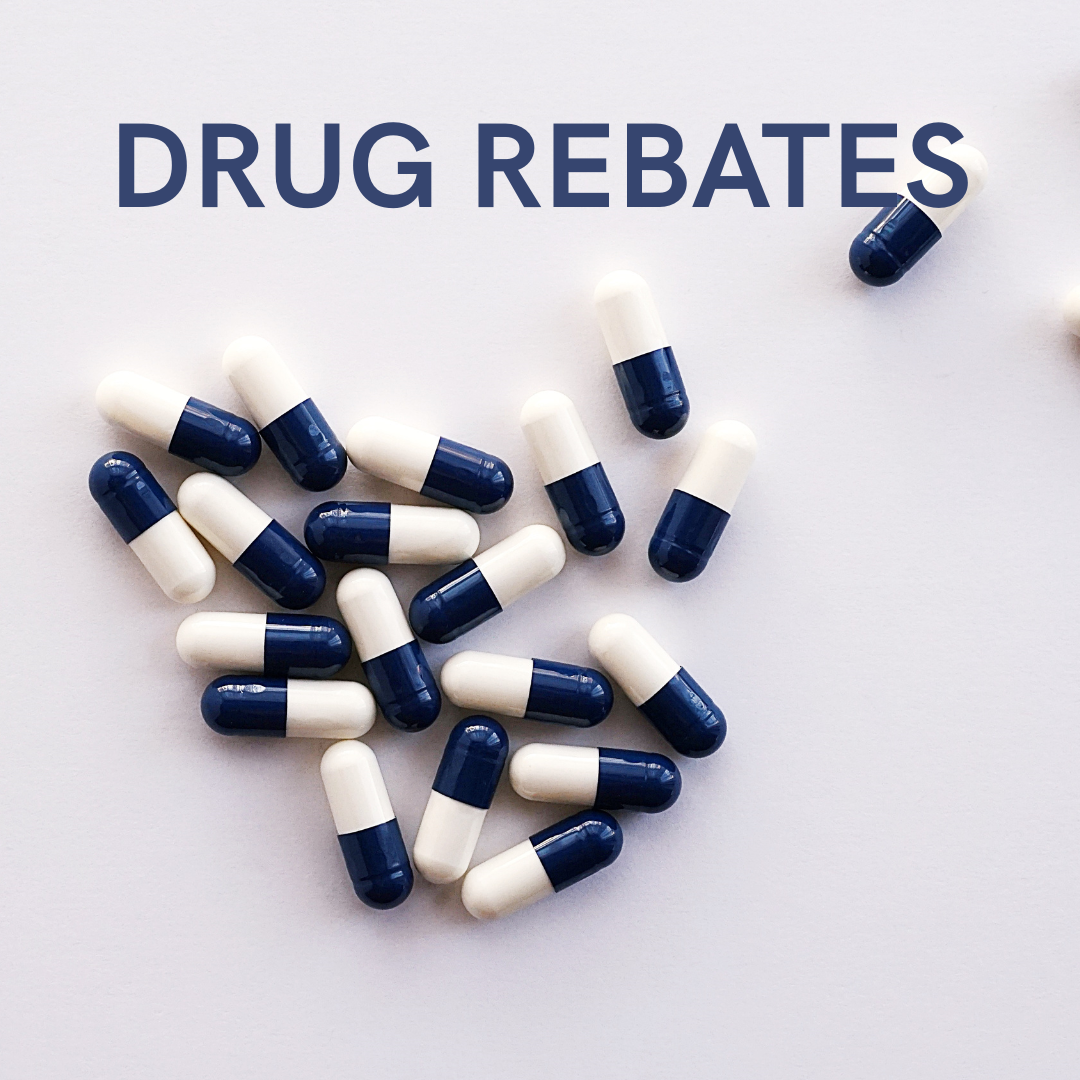
Imagine buying a new car and the dealer quietly pockets the manufacturer’s rebate instead of passing it to you. And you are stuck paying full price (MSRP) for the car. Yikes. That’s exactly what’s happening in pharmacy benefits when your PBM keeps rebates—or worse, tells you the rebates are “already baked into the price.”
Here’s the truth: if you’re not receiving rebates, you’re not just being left behind—you may be getting taken advantage of.
Prodigy has proven time and again that we can deliver competitive—or better—pricing while also disclosing and sharing rebates from manufacturers. Rebates aren’t a side perk; they are a core source of savings, especially on high-cost and specialty drugs.
Where Rebates Really Live
The myth in workers’ compensation is that rebates are rare. The reality? Most brand drugs—specialty or not—are eligible for rebates. Let’s spotlight a few categories straight from our rebate data:
Oncology (Cancer Therapies): Drugs like Keytruda (immunotherapy) and Abraxane (chemotherapy) often carry meaningful rebates, even though they sit at the top of your spend chart.
Hematology & Blood Disorders: Products for sickle cell disease and hemophilia may look like “must-pay, no-choice” categories—but rebates exist here too.
Ophthalmology: Eye-care drugs for diabetic macular edema and dry eye disease come with rebate opportunities most payers never see.
Dermatology: From alopecia treatments to blockbuster biologics like Olumiant, dermatology has become a hidden rebate minefield.
Mental Health & Women’s Health: Even drugs for substance use disorder (Sublocade, Vivitrol) and contraceptives (Mirena, Kyleena) can be rebatable.
This isn’t theory. These are real, category-wide rebate dollars flowing through the system. If you’re not seeing them, ask yourself—where are they going?
Don’t Just Take Our Word for It
Rebates aren’t some Prodigy invention. State laws across the country and even a presidential executive order on drug pricing have specifically targeted rebate transparency. Why? Because regulators know it’s one of the biggest pressure points in pharmacy costs.
If lawmakers think it’s worth policing, shouldn’t payers make sure they’re not missing out?
The Easy Decision
Rebates shouldn’t be controversial. They’re your dollars, generated by your claims. You deserve to see them, measure them, and keep them.
At Prodigy, we don’t play the “baked into pricing” shell game. We give you competitive or better pricing AND your rebates—in some cases, every penny.
Final Word
If you’re not receiving rebates, you are getting left behind. Don’t let your PBM spin the story—”Rebates” and “Competitive Price” are not mutually exclusive. In today’s market, this isn’t a “nice to have.” It’s a performance must-have.
If you’re ready to take action, let’s talk. Let us benchmark your program—category by category—and show you exactly what you should be getting back.
—Del
About P4P
A Strategic Dose of Clarity in a Noisy PBM Market
Written by Prodigy CEO Del, P4P delivers sharp, consultative insights for decision-makers who are tired of legacy models, hidden costs, and passive vendors. Each piece is a prescription—cutting through the noise to reveal what actually drives performance in pharmacy benefit management.
No fluff. No spin. Just insight that pays off.