

Understanding Antifibrotic Therapies: Ofev® and Esbriet® in Workers' Compensation
Background:
Respiratory conditions can pose unique challenges in workers' compensation, particularly when workplace exposures contribute to chronic lung disease. Among the most significant advances in this area are antifibrotic therapies, a class of medications designed to slow the progression of certain fibrotic lung diseases.
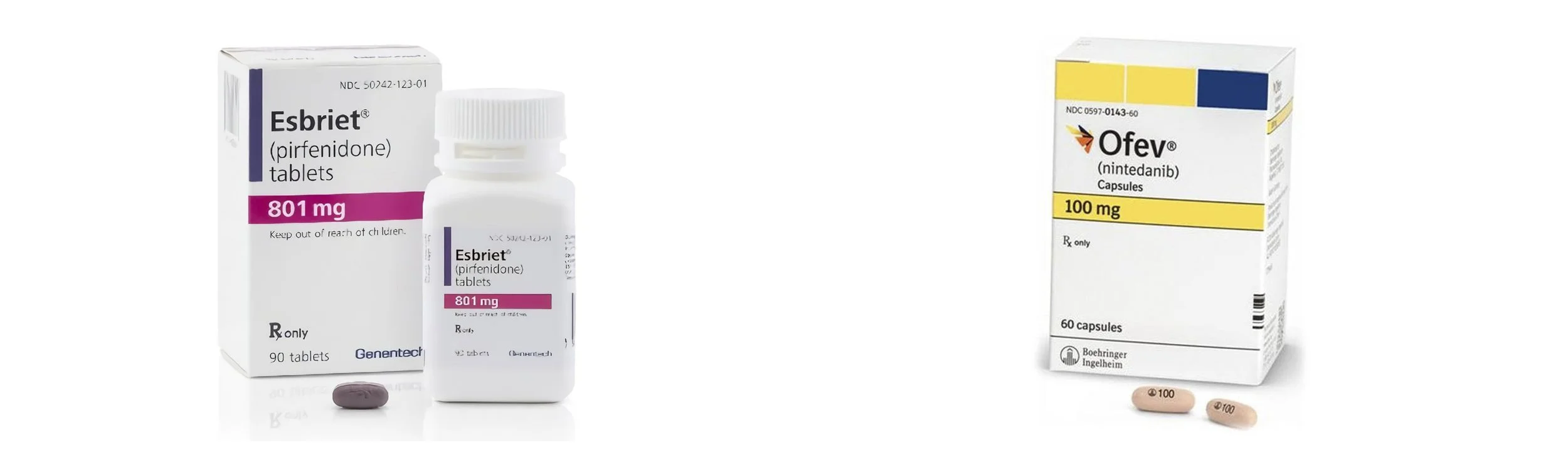
The two currently approved antifibrotic therapies, Ofev® (nintedanib) and Esbriet® (pirfenidone), have transformed the management of conditions such as idiopathic pulmonary fibrosis (IPF) and other forms of progressive pulmonary fibrosis. While these therapies do not reverse lung damage, they can help slow disease progression and preserve lung function. As their use expands, workers' compensation stakeholders may increasingly encounter questions related to utilization, cost, workplace exposures, and claim relevance. [1,2]
What Are Antifibrotic Therapies?
Antifibrotic therapies are medications designed to slow the formation of scar tissue within the lungs.
Pulmonary fibrosis occurs when lung tissue becomes progressively scarred, making it more difficult for oxygen to move into the bloodstream. Over time, this can result in:
Shortness of breath
Reduced exercise tolerance
Chronic cough
Declining lung function
Unlike traditional respiratory medications that focus on symptom control, antifibrotic therapies target the underlying fibrotic process driving disease progression. [1,3]
Currently, two antifibrotic medications are approved in the United States:
Ofev (nintedanib)
Esbriet (pirfenidone)
Both have demonstrated the ability to slow the rate of lung function decline in patients with progressive fibrotic lung disease. [1,2]
Potential Cost Relief on the Horizon?
One of the primary challenges associated with antifibrotic therapies is their high cost. Historically, both Ofev (nintedanib) and Esbriet (pirfenidone) have been considered specialty medications, often resulting in significant long-term treatment costs for patients who require ongoing therapy. [3,4]
The antifibrotic landscape, however, has begun to evolve. Generic versions of pirfenidone, the active ingredient in Esbriet, have been available for several years, introducing competition into the market and creating opportunities for lower-cost treatment options. [4]
More recently, generic nintedanib, the active ingredient in Ofev, entered the U.S. market in April 2026 following FDA approval of multiple generic products. This marked a significant development for a therapeutic category that had historically been dominated by branded therapies. Generic nintedanib became available in both 100 mg and 150 mg capsule strengths through specialty pharmacy distribution channels. [7]
The availability of generic alternatives may:
Increase competition within the antifibrotic market
Improve patient access to therapy
Reduce pharmacy costs over time
Provide additional options for payers and utilization management programs
For workers' compensation stakeholders, these developments may create new opportunities to balance access to clinically appropriate treatment with responsible pharmacy spend management. While treatment selection should continue to be guided by clinical considerations such as diagnosis, disease progression, tolerability, and treatment goals, generic competition may become an increasingly important factor in long-term therapy management. [3,4,7]
Why This Matters in Workers’ Compensation
Pulmonary fibrosis and other interstitial lung diseases can have important workers' compensation implications because workplace exposures are recognized risk factors for certain forms of lung injury.
Potential occupational exposures include:
Silica dust
Asbestos
Metal dusts
Organic dusts
Chemical fumes
These exposures may contribute to the development or worsening of some fibrotic lung conditions. [5]
As a result, workers' compensation stakeholders may encounter claims involving:
Occupational lung disease
Work-aggravated respiratory conditions
Long-term pulmonary impairment
Determining the relationship between workplace exposure and pulmonary fibrosis can be complex and often requires detailed occupational and medical histories. [5,6]
Moving Forward
As awareness of occupational lung disease continues to grow, antifibrotic therapies are likely to receive increased attention within workers' compensation.
While Ofev and Esbriet cannot reverse established fibrosis, they represent important treatment options for patients with progressive fibrotic lung disease. Their growing use highlights the importance of accurate diagnosis, careful evaluation of workplace exposures, and ongoing monitoring of treatment outcomes.
By Sarah Cirildo
PharmD
For questions, e-mail pharmd@prodigyrx.com
References
1. American Thoracic Society. Idiopathic pulmonary fibrosis: diagnosis and treatment resources. Updated 2025. Accessed August 28, 2026. Idiopathic Pulmonary Fibrosis2. Pulmonary Fibrosis Foundation. Treatment options for pulmonary fibrosis. Updated 2025. Accessed August 28, 2026. https://www.pulmonaryfibrosis.org 3. Boehringer Ingelheim Pharmaceuticals Inc. Ofev (nintedanib) prescribing information. Revised 2025. Accessed August 28, 2026. https://www.ofev.com 4. Genentech USA, Inc. Esbriet (pirfenidone) prescribing information. Revised 2025. Accessed August 28, 2026. https://www.esbriet.com 5. National Institute for Occupational Safety and Health. Work-related lung disease surveillance report. Updated 2025. Accessed August 28, 2026. National Statistics - ORDS | NIOSH | CDC 6. American Lung Association. Occupational lung disease. Updated 2025. Accessed August 28, 2026.
https://www.lung.org/lung-health-diseases/lung-disease-lookup/occupational-lung-diseases 