
Vertical Integration in the PBM Industry: Understanding Its Role and Impact
Introduction
Pharmacy benefit managers (PBMs) play an important role in the U.S. healthcare system by managing prescription drug benefits for employers, health plans, government programs, and other payers. Their responsibilities may include formulary management, claims processing, pharmacy network administration, utilization management, and negotiating discounts with manufacturers and pharmacies. [1,2]
Over time, many PBMs have become part of larger healthcare organizations that may also include health insurers, specialty pharmacies, mail-order pharmacies, or retail pharmacy operations. This business structure, commonly known as vertical integration, has become an increasingly important topic in discussions surrounding prescription drug access, healthcare costs, transparency, and care coordination. [1,2]
What Is Vertical Integration?
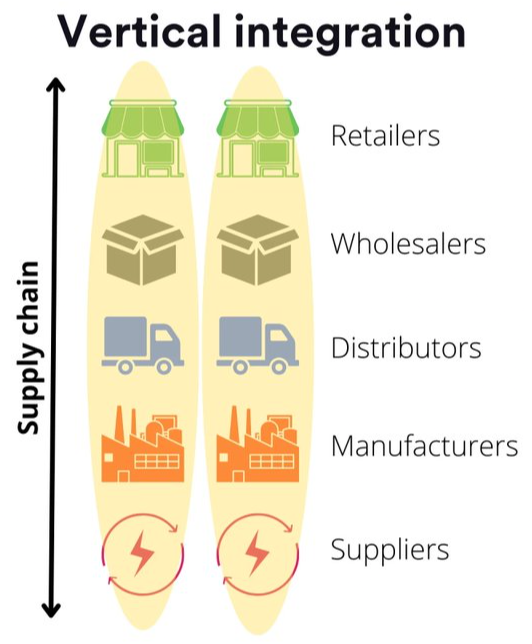
Vertical integration occurs when organizations operating at different stages of the healthcare or prescription drug supply chain are connected under common ownership or corporate structure.
In the PBM industry, vertical integration may involve relationships among:
PBMs
Health insurers
Specialty pharmacies
Mail-order pharmacies
Retail pharmacy networks
Examples include:
CVS Caremark, CVS Health, and Aetna
Express Scripts and Cigna
Optum Rx and UnitedHealth Group
These organizations collectively manage a significant portion of U.S. prescription drug claims, reflecting the prominent role vertically integrated healthcare organizations play in today's pharmacy marketplace. [1]
The structure may allow healthcare organizations to coordinate pharmacy benefits, claims administration, formulary management, and patient services within a single enterprise. At the same time, policymakers and industry stakeholders continue to evaluate how this structure influences competition, transparency, and pharmacy access. [2]
Potential Advantages of Vertical Integration
Supporters of vertical integration often point to the potential for increased coordination across healthcare services.
By bringing multiple components of healthcare delivery together, integrated organizations may be better positioned to:
Coordinate pharmacy and medical benefits
Manage specialty medications
Support utilization management programs
Identify potentially inappropriate medication use
Streamline administrative processes
In addition, larger organizations may have greater negotiating leverage when working with manufacturers and pharmacies. These negotiations can influence formulary design, pharmacy networks, and overall drug benefit strategy. [1,3]
Some healthcare stakeholders also suggest that integrated structures may reduce administrative duplication by aligning pharmacy services, claims processing, and benefit administration under a common organization. [1]
Ongoing Discussion Around Transparency and Competition
As vertical integration has expanded, so have discussions surrounding transparency and market dynamics.
Policymakers and healthcare stakeholders have noted that large PBMs play a significant role in the prescription drug marketplace through formulary management, pharmacy network administration, and reimbursement decisions. [2]
One area receiving attention is the relationship between PBMs and affiliated pharmacies. Policymakers and industry stakeholders continue to evaluate how vertically integrated organizations balance pharmacy network management, patient access, and reimbursement practices. [4]
Another frequently discussed topic is pricing transparency. PBM contracts can involve rebates, administrative fees, network arrangements, and other financial mechanisms that may be difficult for plan sponsors and purchasers to fully evaluate. The U.S. Department of Labor has identified PBM compensation structures as an area of ongoing interest for employer-sponsored health plans. [5]
These discussions do not suggest that vertical integration is inherently beneficial or harmful. Rather, they reflect the complexity of a healthcare system in which organizations increasingly participate in multiple areas of pharmacy and healthcare delivery.
Why Is Vertical Integration Receiving So Much Attention?
Vertical integration has become a major area of interest for policymakers, employers, health plans, pharmacies, and healthcare organizations because of its growing influence on how prescription drug benefits are managed.
As healthcare organizations continue to expand across different areas of the prescription drug supply chain, stakeholders are increasingly evaluating questions related to:
Drug pricing and reimbursement
Patient access to medications
Pharmacy network design
Transparency and reporting
Competition within the marketplace
These discussions have contributed to ongoing legislative, regulatory, and industry conversations regarding the structure and operation of the prescription drug supply chain. [2,4,5]
While perspectives differ regarding the impact of vertical integration, most stakeholders agree that understanding how these organizations operate is important as the healthcare landscape continues to evolve.
Key Takeaways
1. Vertical integration connects multiple parts of the prescription drug supply chain.
Many PBMs operate within larger healthcare organizations that may also include insurers, specialty pharmacies, mail-order pharmacies, and retail pharmacy operations. [1]
2. Potential advantages and challenges continue to be evaluated.
Supporters cite opportunities for greater coordination and efficiency, while policymakers and industry stakeholders continue to examine issues related to transparency, competition, and pharmacy access. [2,4]
3. Vertical integration remains an important topic in healthcare policy.
As healthcare organizations become increasingly interconnected, understanding how pharmacy benefits are managed has become an important part of broader discussions surrounding prescription drug costs, access, and healthcare delivery. [1,2,5]
By Micah Anderson
PharmD Candidate (P4)
For questions, e-mail pharmd@prodigyrx.com
Citations
1. KFF. What to Know About Pharmacy Benefit Managers (PBMs) and Federal Efforts at Regulation. Published 2026. Accessed September 21, 2026. Available at: What to Know About Pharmacy Benefit Managers (PBMs) and Federal Efforts at Regulation | KFF2. Congressional Research Service. The Role of Pharmacy Benefit Managers in Prescription Drug Markets Part III: Transparency and Accountability. Published 2024. Accessed September 21, 2026. Available at: HHRG-118-GO00-MState-C001078-20240723.pdf3. Congressional Research Service. General Background on Pharmacy Benefit Managers. 118th Congress. Accessed September 21, 2026. Available at: LSB11080.1.pdf4. Federal Trade Commission. Specialty Generic Drugs: A Growing Profit Center for Vertically Integrated Pharmacy Benefit Managers. Published January 2025. Accessed September 21, 2026. Available at: Specialty Generic Drugs: A Growing Profit Center for Vertically Integrated Pharmacy Benefit Managers | Federal Trade Commission4. U.S. Department of Labor. Fact Sheet: Proposed Pharmacy Benefit Manager Fee Disclosure Rule. Published 2025. Accessed September 21, 2026. Available at: Fact Sheet: Proposed Pharmacy Benefit Manager Fee Disclosure Rule | U.S. Department of Labor