

Wearable Pain Relief: What Is Enso and Why Is It Gaining Attention?
While medications, physical therapy, and behavioral health interventions continue to play important roles in pain management, growing concerns about opioid use and long-term medication dependence have increased interest in non-drug alternatives. As a result, wearable pain relief technologies are receiving attention as potential tools to support recovery and improve function. [1,2]
One device gaining attention is Enso, a wearable, FDA-cleared pain relief device designed to help manage musculoskeletal pain without drugs or surgery. As healthcare continues to explore innovative approaches to pain management, Enso represents a growing trend toward portable, technology-driven therapies that can be used in everyday settings. [1,2]
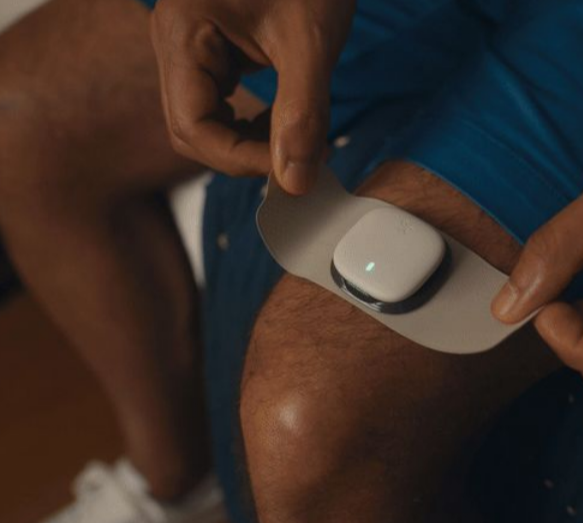
What Is Enso?
Enso is a wearable pain relief device that uses electrical stimulation to help reduce pain. The small wireless device attaches to the skin and delivers electrical impulses through adhesive electrodes placed over the affected area. Unlike traditional pain management approaches that rely on medication, Enso provides a drug-free and non-invasive option for pain relief. [2,3]
The device is designed to be worn during normal daily activities and can be controlled through a smartphone application. Users can adjust the intensity of treatment and tailor the therapy to their individual comfort level and pain needs. [2]
How Is Enso Different From Traditional Devices?
Many people compare Enso to traditional Transcutaneous Electrical Nerve Stimulation (TENS) devices, which have been used for years to help manage pain through electrical stimulation.
While both technologies use electrical impulses, Enso was designed to provide a different treatment experience. According to the manufacturer and published studies, Enso may provide faster and longer-lasting pain relief for some individuals while remaining comfortable enough to wear during everyday activities. [1,4]
Another key difference is convenience. Enso is a small, wearable device that can be used while working, exercising, or completing daily tasks, allowing users to manage pain without interrupting their routine. [1,4]
Why Is Enso Gaining Attention?
Several factors are contributing to increased interest in wearable pain relief technologies such as Enso.
Growing Interest in Non-Drug Pain Management
Healthcare providers and patients are increasingly seeking alternatives to medications, particularly for musculoskeletal pain. Non-drug approaches can support pain management while helping reduce reliance on opioid therapy and other medications. [2,3]
Support for Movement and Rehabilitation
Pain can become a barrier to physical activity and rehabilitation. Some research suggests that reducing pain through wearable technologies may help individuals participate more effectively in exercise therapy and rehabilitation programs. [2,4]
Convenience and Accessibility
Unlike injections, procedures, or clinic-based treatments, Enso can be used at home, at work, or during daily activities. This convenience may improve treatment adherence and allow patients to incorporate pain management into their routine more easily. [1,2]
Potential Applications in Workers' Compensation
Musculoskeletal injuries remain one of the most common drivers of workers' compensation claims. Conditions involving the back, knees, shoulders, and other joints often require ongoing pain management while injured workers progress through rehabilitation.
For workers' compensation stakeholders, devices such as Enso may be of interest because they offer a non-invasive, non-addictive treatment option that can be used alongside other therapies. Potential applications may include:
Supporting multimodal pain management programs
Improving participation in physical therapy
Reducing reliance on pain medications
Promoting functional recovery
Challenges and Considerations
Despite growing interest, wearable pain relief devices are not a universal solution.
Several questions remain regarding:
Which patients are most likely to benefit
Long-term effectiveness across different conditions
Reimbursement and cost considerations
Integration into existing treatment programs
Additionally, pain management solutions work differently for different individuals. What provides meaningful relief for one patient may not have the same effect for another. For this reason, wearable devices should be viewed as one potential component of a broader treatment strategy rather than a standalone solution. [2,4]
Key Takeaways
1. Pain management is evolving beyond medications.
Wearable technologies such as Enso are gaining attention as non-invasive, drug-free options that may help individuals manage musculoskeletal pain while remaining active and engaged in recovery.
2. Technology may help support recovery and function.
By providing pain relief during daily activities, exercise, and rehabilitation, wearable devices have the potential to complement physical therapy and other treatment strategies aimed at improving function and return-to-work outcomes.
3. Wearable pain relief is part of a larger trend in healthcare.
As healthcare continues to emphasize non-pharmacologic treatment options and multimodal pain management, technologies like Enso may become increasingly important tools for supporting recovery, reducing reliance on medications, and expanding treatment choices.
By Sarah Cirildo
PharmD
For questions, e-mail pharmd@prodigyrx.com
References
1. Innovations of the World. ENSO Wearable Device to Solve Disabling Chronic Pain. Accessed September 14, 2026. https://innovationsoftheworld.com/enso-wearable-device-to-solve-disabling-chronic-pain/
2. Hinge Health. Enso: An FDA-cleared, wearable pain relief device. Accessed September 14, 2026. https://www.hingehealth.com/product/enso/
3. Hinge Health. Introducing the Hinge Health Enso. Accessed September 14, 2026. https://go.hingehealth.com/product-enso
4. Hinge Health. Introducing the Hinge Health Enso: Groundbreaking wearable technology for lasting pain relief. Published June 2, 2021. Accessed September 14, 2026. https://assets.ctfassets.net/cad7d5zna5rn/1uk1NkXbzaSOhkPB1ugiSG/be43c34fc8ae35117feda0e6fd376575/20210602_Enso_1-pager_cj_v3.pdf
