

How Digital Therapeutics and Workplace Technology Are Transforming Workers’ Compensation
Digital therapeutics and emerging workplace technologies are rapidly reshaping workers compensation, shifting the system from reactive treatment to proactive prevention and data driven recovery support. Digital therapeutics (DTx) are health software intended to treat or alleviate a disease, disorder, condition, or injury by delivering a medical intervention that has a proven positive therapeutic impact on a patient’s health, and they differ from general digital health tools because they are evidence based and held to clinical and regulatory standards [1]. These tools reduce injuries, shorten claim durations, and provide measurable cost savings for employers and insurers.
Prevention Through Smart Technology
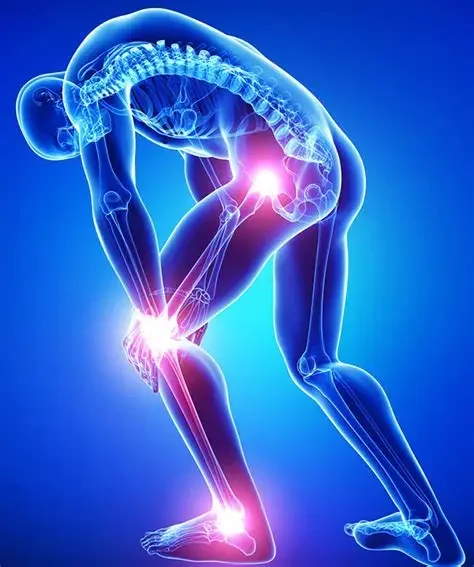
Musculoskeletal disorders (MSDs) continue to be one of the most expensive and frequent workplace injuries, costing employers $20 billion annually and resulting in nearly 400,000 injuries per year [5]. Wearable technologies from companies like Kinetic and StrongArm Technologies help prevent these injuries by identifying hazardous movements and coaching workers in real time.
Documented outcomes include:
• Kinetic: 72% decrease in lost workdays
• StrongArm Technologies: 250% return on investment through reduced injuries
These results demonstrate how technology moves workers’ compensation upstream — from responding to injuries to preventing them before they happen.
Early Identification and Smarter Intervention
Digital therapeutics offer evidence‑based clinical interventions delivered through apps, wearables, or virtual platforms. The DTx market reached $6.2 billion in 2023 and continues to grow rapidly [1]. Unlike general wellness apps, DTx solutions undergo clinical validation and deliver targeted treatment for conditions relevant to workers’ compensation.
Examples include:
RelieVRx® for chronic low back pain
reSET‑O® for opioid use disorder
Freespira® for post-traumatic stress disorder (PTSD)
For injured workers, digital therapeutics can significantly accelerate functional recovery. In one workers’ compensation cohort, users of Recupe™ regained full function and returned to work 25 days faster than individuals who did not use the platform [1]. In one study, 35% of organizations cited AI‑driven triage and severity prediction as the most influential use of predictive analytics [6]. AI also detects anomalies in claims data that may signal fraud or deviations from expected recovery trajectories [3].
Together, digital therapeutics and AI help identify the right treatment earlier, guiding injured workers toward recovery before conditions worsen.
Data‑Driven Recovery and Cost Control
The first 30 days after an injury play a critical role in long‑term claim outcomes. Organizations are increasingly using 24/7 nurse triage, centralized communication, and secure digital portals to support injured workers immediately after an incident [7]. These tools improve trust, streamline care coordination, and reduce unnecessary delays.
Data analytics also quantify the financial impact of technology adoption. For example:
Worksites using wearables reported half the claims per $1 million in payroll compared to those without [5]
With an average MSD claim severity of $20,000, this translates to $100,000 in savings per $1 million payroll [5]
Blockchain adds another layer of efficiency and integrity, creating tamper‑proof claim records and enabling smart contracts that automate key steps in the claims process [3]. Across these tools, the result is a more consistent, predictable recovery process with fewer delays, clearer communication, and lower total claim costs. interventions.
Conclusion
Digital therapeutics and workplace technology are reshaping workers’ compensation by strengthening prevention, early intervention, and data‑driven recovery, giving injured workers better access to evidence‑based care while helping employers and insurers reduce injuries, shorten claim durations, and achieve strong financial returns. As reimbursement pathways mature and adoption expands, these solutions will continue transforming workers’ compensation into a proactive, technology‑enabled system focused on improved outcomes for all stakeholders.
By: Kidist Kika, PharmD Candidate
For questions, e-mail pharmd@prodigyrx.com
Citations
Healthesystems. Digital therapeutics: the promise of better health outcomes for injured workers. Published April 17, 2025. Accessed March 3, 2026. https://healthesystems.com/workerscomprehensive/digital-therapeutics-the-promise-of-better-health-outcomes-for-injured-workers/
Healthesystems. How AI and value based care are reshaping workers’ compensation. Published June 23, 2025. Accessed March 3, 2026. https://riskandinsurance.com/how-ai-and-value-based-care-are-reshaping-workers-compensation/
Law Offices of Solov & Teitell. The future of workers’ compensation: how technological advances are shaping claims. Published March 6, 2025. Accessed March 3, 2026.
https://solovteitell.com/2025/03/06/the-future-of-workers-compensation-how-technological-advances-are-shaping-claims/Blue Matter Consulting. Prescription digital therapeutics in 2023. Published March 22, 2023. Accessed March 3, 2026. https://bluematterconsulting.com/insights/blog/prescription-digital-therapeutics-us-market-outlook-2023/
Milliman (for Healthesystems). Improving workers’ compensation loss experience using wearable technology. Published July 26, 2022. Accessed March 3, 2026. https://www.milliman.com/en/insight/improving-workers-compensation-loss-experience-using-wearable-technology
Zanke P, Deep S, Pamulaparthyvenkata S, Sontakke D. Optimizing worker’s compensation outcomes through technology: a review and framework for implementations. Int J Comput Trends Technol. 2024;72(3):66‑75. https://ijcttjournal.org/archives/ijctt-v72i3p110
CorVel Corporation. Shaping the future of workers’ compensation with early action and smart technology. Published October 23, 2025. Accessed March 3, 2026. https://www.corvel.com/insights/shaping-the-future-of-workers-compensation-with-early-action-and-smart-technology
