

How NSAIDs Fit into Evidence-Based Care for Acute Work Injuries
Summary
When a patient endures a work-related musculoskeletal injury, returning to work can feel overwhelming—especially when thinking about the possibility that prolonged pain can lead to ongoing disability or reinjury. Nonsteroidal anti-inflammatory drugs (NSAIDs) provide the necessary relief of pain and inflammation that can turn unbearable pain into manageable symptoms that heal, recover, and ultimately support a safe return to work.
Why NSAIDs Are Often First-Line Therapy
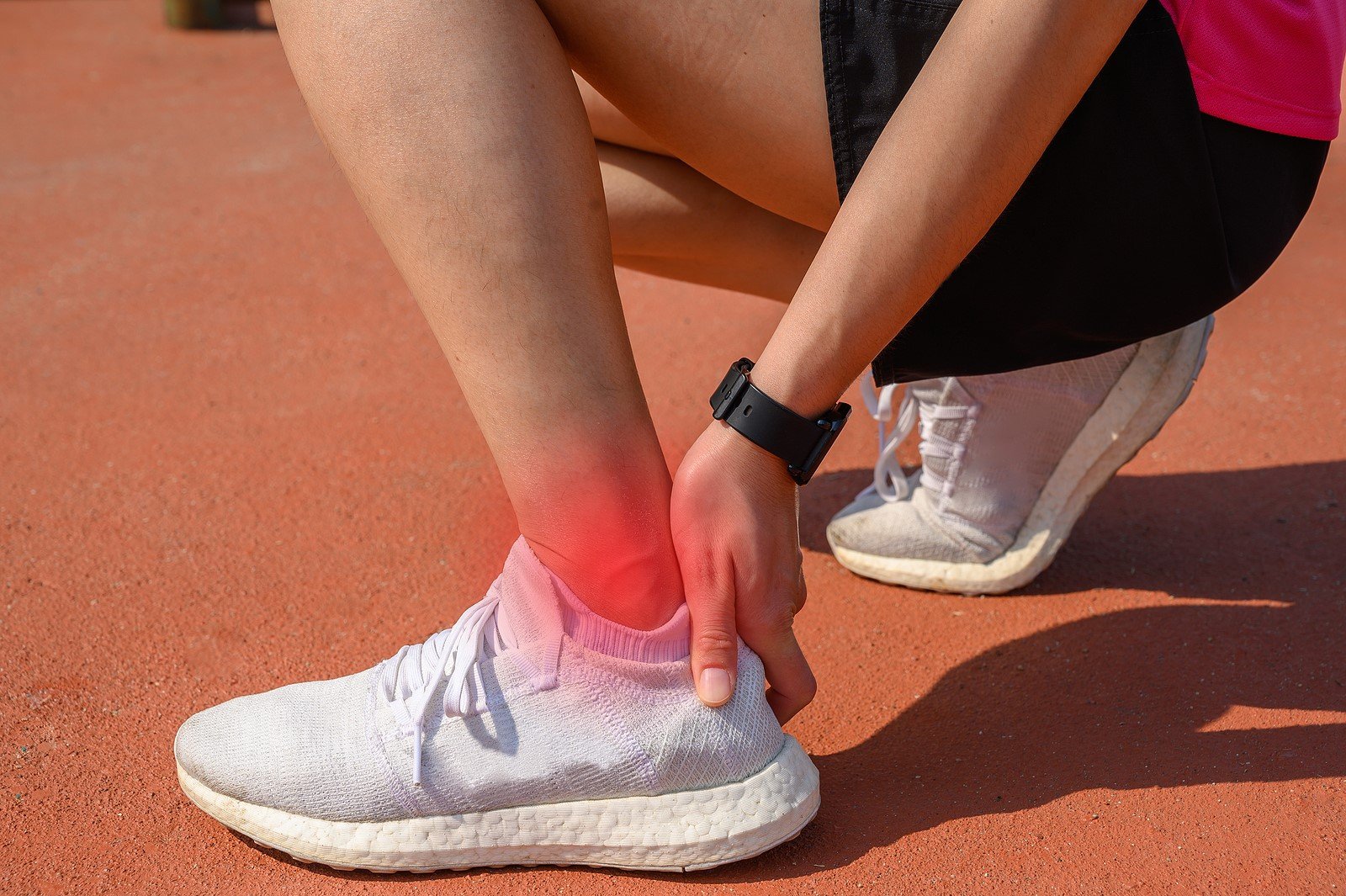
Soft‑tissue injuries such as sprains and strains are among the most common workplace injuries. NSAIDs like ibuprofen and naproxen are typically first‑line therapy because they inhibit cyclooxygenase (COX), an enzyme involved in producing prostaglandins and thromboxanes—key drivers of inflammation and pain. By reducing prostaglandin levels, NSAIDs help decrease swelling and prevent the sensitization of pain receptors [1].
Comparable Pain Relief with Fewer Risks Than Opioids
Managing acute pain effectively is essential for minimizing disability and promoting a safe, timely return to work. While opioids are sometimes perceived as stronger analgesics, evidence shows NSAIDs provide similar short‑term pain relief with fewer risks.
• A 2020 meta-analysis of 52 RCTs and 13 observational studies found no clinically meaningful difference in pain scores between NSAIDs and opioids within 30–60 minutes of treatment, but opioids caused more drowsiness and adverse events [4].
• Additional research in acute renal colic shows NSAIDs and opioids provide similar levels of pain reduction, but NSAIDs lead to fewer side effects and reduced need for rescue analgesia [7].
This evidence reinforces NSAIDs as effective alternatives to opioids without the elevated risk of misuse, dependence, or sedation. Appropriate management of acute pain for common workplace musculoskeletal injuries is crucial to help workers recover and return to work efficiently.
What the Guidelines Recommend
Evidence‑based guidelines consistently support NSAIDs as initial pharmacologic therapy for acute musculoskeletal pain:
The American College of Physicians and American Academy of Family Physicians recommend topical or oral NSAIDs as first‑line treatments for non–low‑back acute musculoskeletal injuries [2].
The CDC’s 2022 Opioid Prescribing Guideline similarly identifies NSAIDs or acetaminophen as preferred initial options for acute pain lasting less than one month [3].
Safety Considerations and Individualizing Care
While NSAIDs are generally safe for short-term use, prescribers should consider each patient's medical history when choosing an agent. Given these considerations, NSAID choice should be tailored to each patient’s clinical risk factors.
Gastrointestinal Risks:
Nonselective NSAIDs can cause heartburn, nausea, and even gastric ulceration because they inhibit COX‑1, which normally protects the stomach lining. Celecoxib, a COX‑2 selective agent, has fewer GI side effects and may be appropriate for patients with GI sensitivities.Renal Risks:
NSAIDs may elevate blood pressure and reduce glomerular filtration by interfering with prostaglandin-mediated regulation of renal blood flow. They should be used cautiously in patients with kidney disease or hypertension.Cardiovascular Risks:
COX‑2 selective inhibitors (e.g., celecoxib) can shift the balance between thromboxane and prostacyclin, potentially increasing the risk of cardiovascular events such as myocardial infarction or stroke.Fracture Healing:
Concerns about delayed bone healing remain debated. Recent meta‑analyses indicate short‑term NSAID use (particularly under two weeks and excluding indomethacin) does not significantly impact nonunion or delayed union, though more research is needed.
Key Takeaways
NSAIDs are first line treatments for acute musculoskeletal work injuries because they effectively reduce pain and inflammation.
They offer pain relief comparable to opioids but with significantly fewer risks, including no potential for dependence.
Safety factors such as GI, renal, and cardiovascular risks should guide individualized NSAID selection to support safe, timely recovery.
By Melissa Koesters (Prom)
PharmD Candidate (P4)
For questions, e-mail pharmd@prodigyrx.com
Citations
1. Ghlichloo I, Gerriets V. Nonsteroidal anti-inflammatory drugs (NSAIDs). In: StatPearls. StatPearls Publishing; Updated May 1, 2023. Accessed February 23, 2026.
https://www.ncbi.nlm.nih.gov/books/NBK547742/
2. Qaseem A, McLean RM, O'Gurek D, et al. Nonpharmacologic and pharmacologic management of acute pain from non–low back, musculoskeletal injuries in adults: a clinical guideline from the American College of Physicians and American Academy of Family Physicians. Ann Intern Med. 2020;173(9):739–748. https://doi.org/10.7326/M19-3602
3. Dowell D, Ragan KR, Jones CM, et al. CDC Clinical Practice Guideline for Prescribing Opioids for Pain — United States, 2022. MMWR Recomm Rep. 2022;71(RR‑3):1–100.
https://doi.org/10.15585/mmwr.rr7103a1
4. Sobieraj DM, Martinez BK, Miao B, et al. Comparative effectiveness of analgesics to reduce acute pain in the prehospital setting. Prehosp Emerg Care. 2020;24(2):163–174.
https://doi.org/10.1080/10903127.2019.1657213
5. Al Farii H, Farahdel L, Frazer A, Salimi A, Bernstein M. The effect of NSAIDs on postfracture bone healing: a meta-analysis of randomized controlled trials. OTA Int. 2021;4(2):e092. https://doi.org/10.1097/OI9.0000000000000092
6. Chuang P‑Y, Yang T‑Y, Tsai Y‑H, Huang K‑C. Do NSAIDs affect bone healing rate, delay union, or cause non-union: an updated systematic review and meta-analysis. Front Endocrinol. 2024;15:1428240. https://doi.org/10.3389/fendo.2024.1428240
7. Holdgate A, Pollock T. Systematic review of the relative efficacy of non-steroidal anti-inflammatory drugs and opioids in the treatment of acute renal colic. BMJ. 2004;328(7453):1401. https://doi.org/10.1136/bmj.38119.581991.55
8. Hawkey CJ. COX‑1 and COX‑2 inhibitors. Best Pract Res Clin Gastroenterol. 2001;15(5):801–820. https://doi.org/10.1053/bega.2001.0236
9. Solomon DH. NSAIDs: Adverse cardiovascular effects. UpToDate. Updated August 9, 2024. https://www.uptodate.com/
10. Luciano R, Perazella MA. NSAIDs: Acute kidney injury. UpToDate. Updated January 18, 2023. https://www.uptodate.com/
