

The Expanding Role of GLP‑1 Therapies: Where Foundayo Fits in Workers’ Compensation
What Is Foundayo and What Is It Approved For
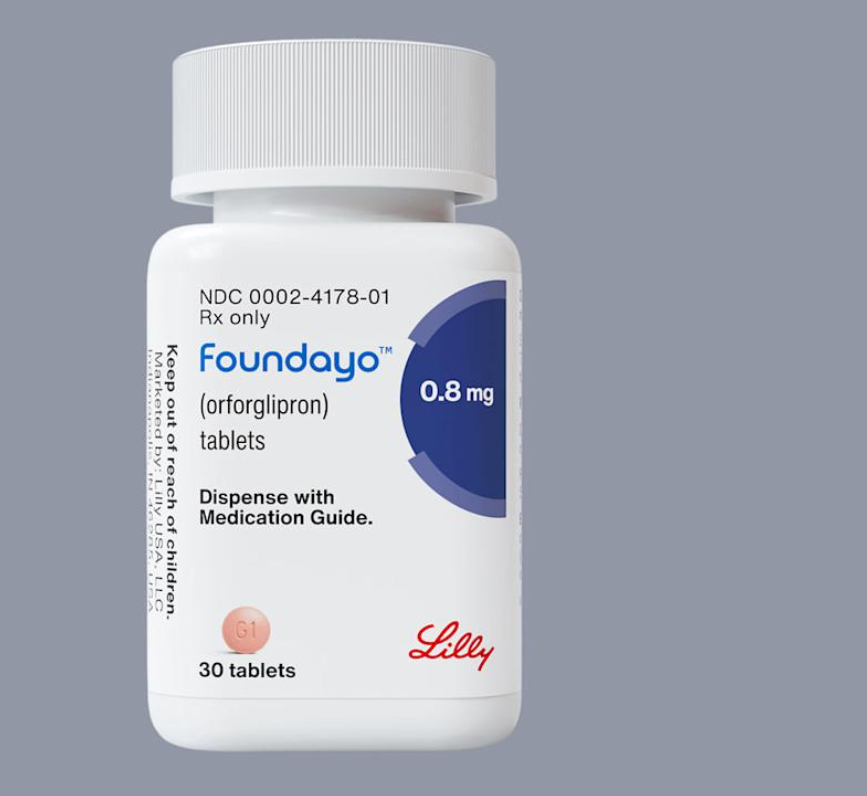
Foundayo is Eli Lilly’s newest addition to the class of GLP‑1 receptor agonists, medications used for:
Type 2 diabetes management
Chronic weight management
GLP‑1 therapies work by mimicking a natural hormone that helps regulate:
Appetite → reduced food intake
Insulin response → improved glucose control
Gastric emptying → prolonged satiety
These effects support sustained, clinically meaningful weight loss, contributing to their broader use beyond traditional diabetes management.
Weight Loss and Metabolic Outcomes
Existing GLP‑1 therapies have established a clear range of expected weight loss outcomes:
Semaglutide (Wegovy)
Approximately 12 to 15% average body weight reduction in large clinical trials [1]
Tirzepatide (Zepbound)
Up to approximately 20 to 22% weight reduction at higher doses, with a substantial proportion of patients achieving 10% or greater and 15% or greater weight loss [2]
Phase III data for Foundayo from the ATTAIN trial provides additional context [3].
In a study involving more than 4,500 participants, Foundayo demonstrated:
Average weight loss of approximately 25 pounds across all doses
Up to 27 pounds, or about 12.4% of body weight, at the highest dose over 72 weeks
Improvements in waist circumference, lipid levels, and blood pressure
Cardiovascular and Long-Term Outcomes
Findings from the ACHIEVE‑4 trial provide additional insight into the broader clinical profile of Foundayo [4].
In this Phase III study of more than 2,700 participants with type 2 diabetes and elevated cardiovascular risk, Foundayo demonstrated:
A 16% lower risk of major cardiovascular events compared to insulin glargine
Sustained improvements in A1C and body weight through 104 weeks
These results highlight an important shift in how therapies in this class are evaluated, with increasing emphasis on:
Cardiovascular risk reduction
Long term clinical outcomes
Durability of response over extended treatment periods
Why This Matters in Workers’ Compensation
Weight Loss and Surgical Eligibility
One of the most relevant ways weight loss intersects with workers’ compensation is through access to treatment.
In some cases, injured workers must meet clinical thresholds, such as body mass index or cardiovascular risk parameters, before undergoing procedures like orthopedic surgery. When these thresholds are not met, treatment may be delayed, extending the overall claim.
Weight loss interventions may help:
Improve eligibility for surgical procedures
Reduce perioperative risk
Impact on Mobility and Musculoskeletal Strain
Weight also plays a direct role in mechanical stress on the body, which is especially relevant in musculoskeletal claims.
Excess weight can:
Increase joint load and strain
Worsen pain symptoms
Limit mobility and participation in rehabilitation
Weight reduction may help:
Decrease stress on joints
Improve movement and function
Support rehabilitation efforts
Together, these effects can contribute to improved functional recovery and more efficient return to activity over time.
Pharmacy Spend Considerations
GLP‑1 therapies represent one of the highest cost categories in pharmacy today.
Key considerations include:
Cost per prescription
High monthly cost compared to traditional therapies
Duration of therapy
Typically used long term, resulting in cumulative cost
Expanding utilization
Increasing awareness and broader prescribing patterns
Balancing Clinical Impact and Utilization
GLP‑1 therapies highlight the growing recognition that overall health can influence recovery outcomes.
At the same time, they raise important questions:
What is the expected impact on functional recovery?
How long should therapy continue?
When does cost outweigh benefit within a claim?
Without clear oversight, these therapies may introduce high cost without clear claim related benefit.
Key Takeaway
GLP‑1 therapies such as Foundayo introduce a dual dynamic:
Opportunity
Improve recovery drivers through weight reduction, cardiovascular health, and functional capacity
Challenge
Manage cost, duration of therapy, and relevance to the claim
The critical question is no longer whether these therapies have clinical value, but when and how that value translates into measurable improvements in claim outcomes.
By Sarah Cirildo
PharmD
For questions, e-mail pharmd@prodigyrx.com
Citations
1. Wilding JPH, Batterham RL, Calanna S, et al. Once weekly semaglutide in adults with overweight or obesity. N Engl J Med. 2021;384(11):989-1002. https://www.nejm.org/doi/full/10.1056/NEJMoa2032183
2. Jastreboff AM, Aronne LJ, Ahmad NN, et al. Tirzepatide once weekly for the treatment of obesity. N Engl J Med. 2022;387(3):205-216. https://www.nejm.org/doi/full/10.1056/NEJMoa2206038
3. PharmExec. Eli Lilly announces topline results from Phase III trial studying oral GLP-1 therapy (orforglipron). Published 2026. Accessed May 13, 2026. https://www.pharmexec.com/view/eli-lilly-announces-topline-results-phase-iii-trial-studying-oral-glp-therapy-orforglipron
4. Eli Lilly and Company. ACHIEVE-4, the longest Phase 3 study of Lilly’s orforglipron in type 2 diabetes. Published April 16, 2026. Accessed May 13, 2026. https://investor.lilly.com/news-releases/news-release-details/achieve-4-longest-phase-3-study-lillys-foundayo-orforglipron
