

What the FTC Settlement Really Reveals About PBM Math

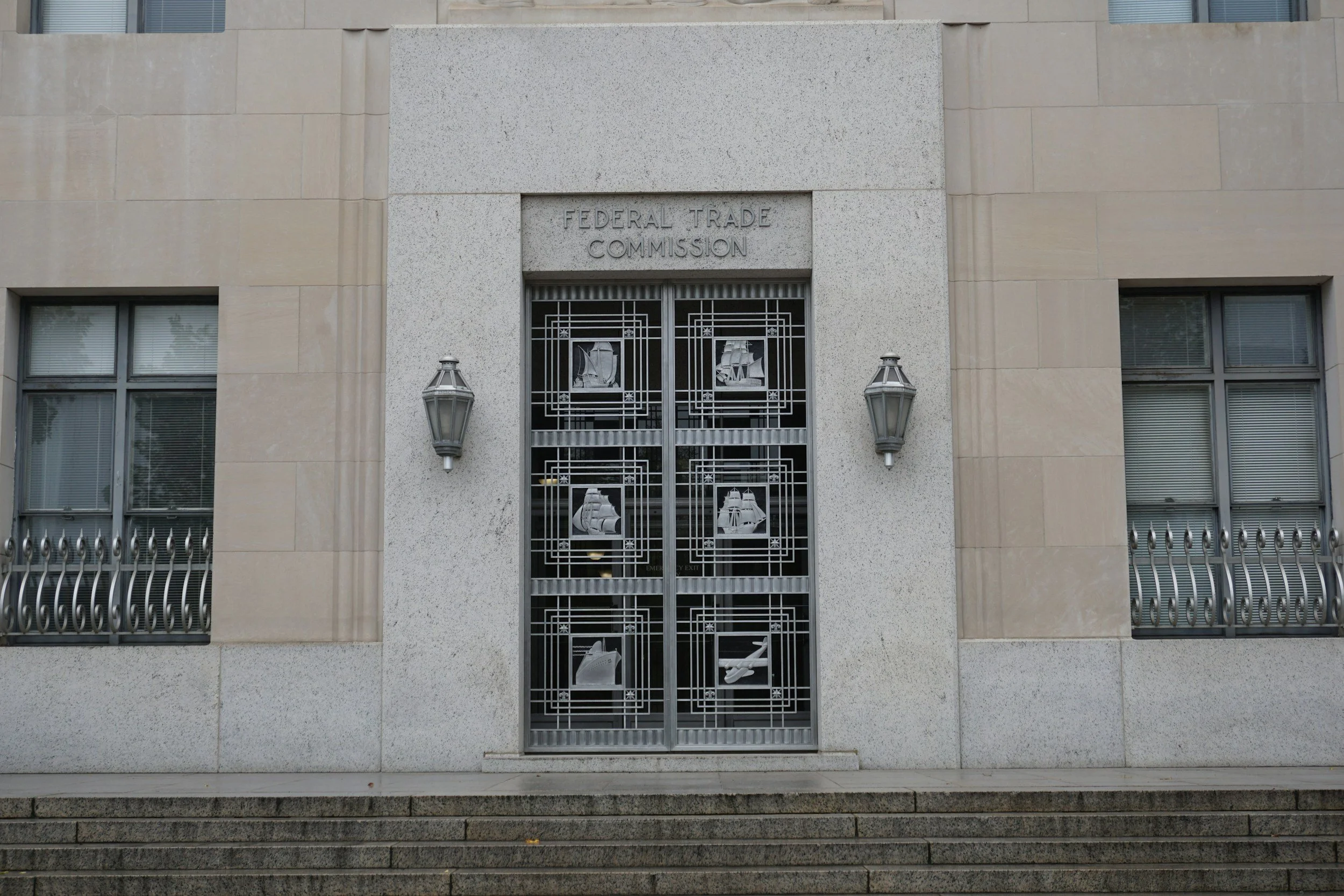
When the Federal Trade Commission reached its settlement with Express Scripts, many headlines focused on rebates. But that wasn’t the real story.
The FTC didn’t outlaw rebates. It targeted the economic machinery that makes opaque rebate-driven models work. And for workers’ compensation buyers, that distinction matters.
What the Order Actually Constrained
The settlement addressed practices that have quietly shaped PBM economics for years:
Spread pricing layered into pharmacy reimbursement
Steering toward higher list-price (high-WAC) versions
Compensation tied to list price rather than net cost
Delayed or opaque rebate reconciliation
Undisclosed broker compensation structures
These are not theoretical concerns. They are revenue strategies. And when revenue strategies rely on list-price inflation and opacity, the payer absorbs risk without seeing it.
Why This Hits Workers’ Comp Harder
In commercial health, rebate distortion often shows up in member out-of-pocket cost. In workers’ compensation, it shows up somewhere else:
Inflated AWP benchmarks
Specialty creep without clinical discipline
Channel steering toward owned pharmacies
Delayed true-ups that distort fiscal-year budgeting
“Net guarantees” that mask unit price inflation
Workers’ comp buyers often hear: “It’s built into your pricing.”
But pricing without transparent inputs is self-calculated.
And when the PBM controls:
The benchmark reference
The dispensing channel
The formulary
The rebate contracts
The reporting cadence
That’s the architecture the FTC just put under a microscope.
The High-WAC Lever
One of the quietest and most powerful PBM levers has been high-WAC arbitrage. Higher list prices create the appearance of larger savings. But if the starting price is inflated, the rebate is stabilization — not value creation.
Therefore, when regulators target steering and list-price distortion, that lever weakens. And when that lever weakens, PBM margins compress, and payers benefit.
This Settlement Isn’t About One PBM
This settlement is not about one company. It is about a model built on:
Opaque spread
Rebate arbitrage
Vertical steering
Compensation opacity
The FTC didn’t say rebates are illegal. It signaled that rebate-dependent opacity is regulatory risk. That is a structural indictment.
Ask Your PBM This
If you are responsible for public funds or employer capital in workers’ comp, ask directly: if rebates disappeared tomorrow, would your pricing model still hold up?
If the answer requires caveats, disclaimers, or delayed reporting, rebates aren’t the problem. Opacity is.
The Workers’ Comp Reality
Workers’ comp is smaller than commercial health. It has less leverage. It often inherits contracting logic from the broader PBM ecosystem. Which means when regulatory gravity shifts in commercial markets, workers’ comp eventually absorbs the shock or enjoy the benefits.
The prudent move isn’t to wait. It’s to align now with models that don’t depend on fog.
Executive Bottom Line
While the FTC didn’t attack rebates, it attacked: spread pricing, list-price distortion, steering practices and compensation opacity.
For workers’ comp fiduciaries, the message is simple:
If your PBM model requires opacity to stabilize margin, that is structural risk.
And structural risk eventually becomes financial exposure.
Clarity is no longer optional. It is direction of travel.
If you still cannot get clarity from your PBM, contact me, I’m here to help.
— DEL
About P4P
A Strategic Dose of Clarity in a Noisy PBM Market
Written by Prodigy CEO, Del Doherty, P4P delivers sharp, consultative insights for decision-makers who are tired of legacy models, hidden costs, and passive vendors. Each piece is a prescription—cutting through the noise to reveal what actually drives performance in pharmacy benefit management. No fluff. No spin. Just insight that pays off.