

Antimicrobial Prophylaxis After Lung Transplant: Key Points for Prevention and Safety
Summary:
When a damaged lung is replaced because work slowly took its toll—silica, coal dust, chemical exposure—the story doesn’t end in the OR. It enters a new chapter where infection becomes the quiet antagonist. Immunosuppression keeps rejection at bay, but it also lowers the drawbridge. CMV, PCP, and invasive fungi aren’t rare footnotes—they’re predictable risks. The defense isn’t reactive antibiotics; it’s structured prophylaxis: valganciclovir, TMP-SMX, and targeted azoles deployed with intent. For workers’ comp, this isn’t pharmacy trivia. It’s the difference between preventing a six-figure hospitalization and explaining one after the fact. Timing, coordination, and access are the real safety net.
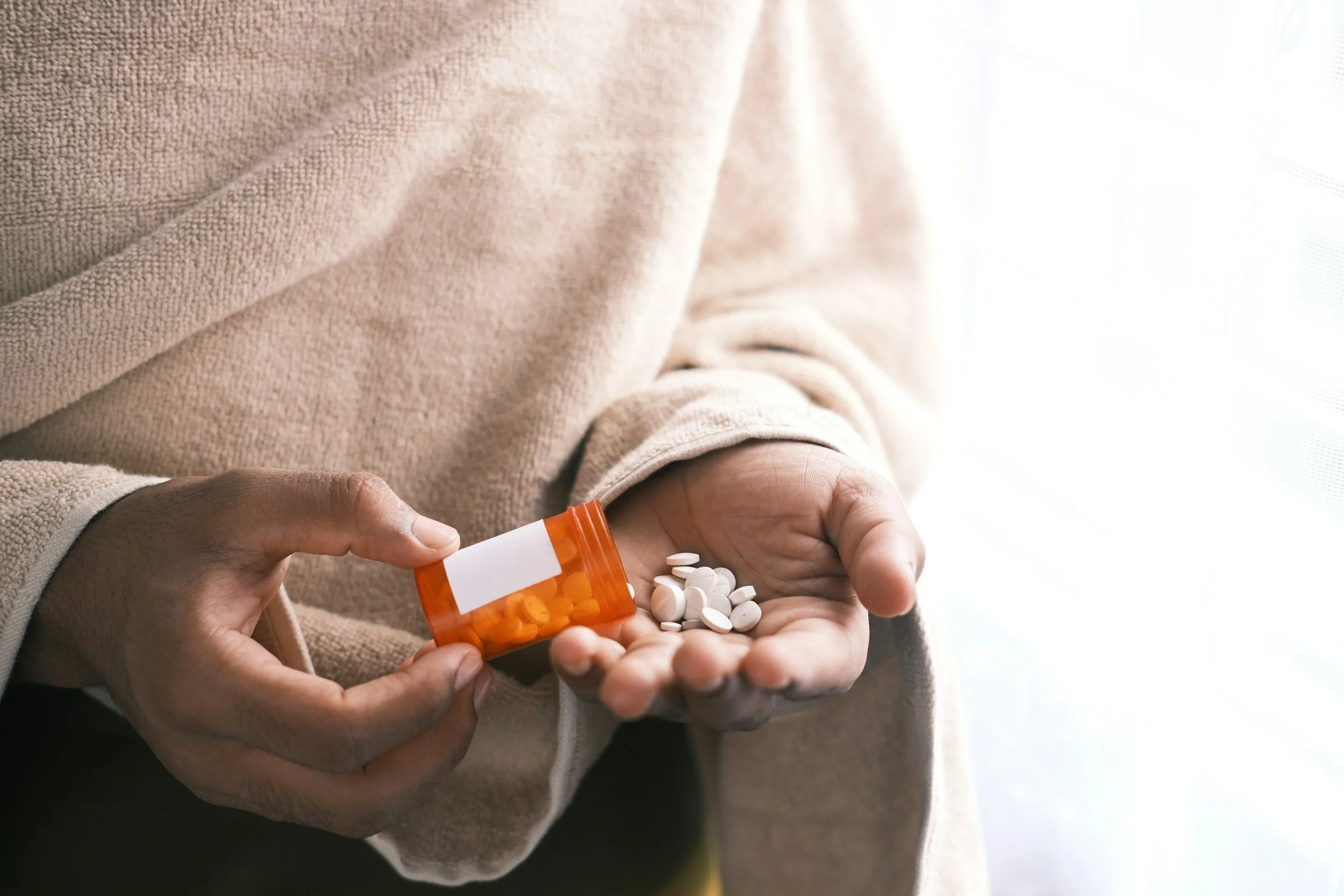
Infection prevention is one of the most important components of lung transplant recovery. Because patients must take immunosuppressive medications, their ability to fight infection is reduced, making antimicrobial prophylaxis essential to protect the new lung and prevent serious complications [1].
Why Infection Prevention Matters
During the first year after solid‑organ transplantation, the infections associated with the highest morbidity and mortality include cytomegalovirus (CMV), Pneumocystis jirovecii pneumonia (PCP), and a range of invasive fungal infections [2–4]. CMV remains a major opportunistic pathogen in this period; it can trigger life‑threatening disease marked by fever, marrow suppression, and tissue‑invasive complications such as colitis or pneumonitis. Risk is especially heightened when donor and recipient serostatus are mismatched, as primary infection in a CMV‑naïve recipient often results in higher viral burden and more severe clinical manifestations [2]. PCP continues to be a critical concern despite standardized prophylaxis, as it can present rapidly progressive hypoxemic respiratory failure and may be fatal without early recognition and treatment [3]. Invasive fungal infections—including those caused by Aspergillus species, Histoplasma capsulatum, and other molds or endemic fungi—pose additional challenges. These organisms can lead to destructive pulmonary disease, disseminated infection, and significant graft dysfunction, particularly in patients with intense immunosuppression or environmental exposures [4]. For these reasons, targeted prophylactic strategies play a central role in early post‑transplant care.
Common Preventive Medications

Prophylactic therapy is tailored to each patient’s risk:
Valganciclovir for CMV, generally for 6–12 months, with monitoring for kidney or bone marrow effects [2].
Trimethoprim–sulfamethoxazole (Bactrim) for PCP, usually continued for at least six months [3].
Antifungals such as voriconazole, posaconazole, or isavuconazole to prevent fungal disease, with close monitoring for interactions with transplant medications [4].
How Work History Influences Risk
Patients who previously worked in mining, construction, agriculture, landscaping, or other outdoor or industrial jobs may have been exposed to endemic fungal spores such as Histoplasma, Coccidioides, or Blastomyces. These infections may stay dormant and reactivate after transplant when immunity is suppressed [5]. Occupational history should therefore guide prophylaxis planning [5].
Relevance for Workers’ Compensation
Workers who undergo lung transplantation due to occupational lung disease—such as pneumoconiosis, silicosis, or chemical exposure—face additional respiratory risks. Work‑related exposures may increase susceptibility to fungal infections after transplant, making timely and appropriate prophylaxis critical [6].
The Importance of Timely Medication Access
Many antifungal and antiviral medications are costly and require prior authorization. Delays in medication approval through workers’ compensation pharmacy benefits can increase the risk of serious infection [5]. Early coordination among transplant centers, case managers, and PBMs like Prodigy helps ensure on time access and prevents avoidable hospitalizations.
Final Takeaway
Antimicrobial prophylaxis is a core component of successful lung transplant recovery. Understanding medication needs, recognizing work‑related exposure risks, and ensuring timely access to therapy all help prevent infections and improve long‑term outcomes.
By Kaleb Vang
For questions, e-mail pharmd@prodigyrx.com
Citations
Fayyaz, A., Raja, M., & Natori, Y. (2023). Prevention and Management of Infections in Lung Transplant Recipients. Journal of Clinical Medicine, 13(1), 11. https://doi.org/10.3390/jcm13010011
Razonable, R. R., & Humar, A. (2019). Cytomegalovirus in solid organ transplant recipients—Guidelines of the American Society of Transplantation Infectious Diseases Community of Practice. Clinical Transplantation, 33(9), e13512-n/a. https://doi.org/10.1111/ctr.13512
Fishman, J. A., & Gans, H. (2019). Pneumocystis jiroveci in solid organ transplantation: Guidelines from the American Society of Transplantation Infectious Diseases Community of Practice. Clinical Transplantation, 33(9), e13587-n/a. https://doi.org/10.1111/ctr.13587
Samanta, P., Clancy, C. J., & Nguyen, M. H. (2021). Fungal infections in lung transplantation. Journal of Thoracic Disease, 13(11), 6695–6707. https://doi.org/10.21037/jtd-2021-26
Escamilla, J. E., January, S. E., & Vazquez Guillamet, R. (2023). Diagnosis and Treatment of Fungal Infections in Lung Transplant Recipients. Pathogens (Basel), 12(5), 694. https://doi.org/10.3390/pathogens12050694
Blackley, D. J., Halldin, C. N., Hayanga, J. W. A., & Laney, A. S. (2020). Transplantation for work-related lung disease in the USA. Occupational and Environmental Medicine (London, England), 77(11), 790–794. https://doi.org/10.1136/oemed-2020-106578