

Introduction
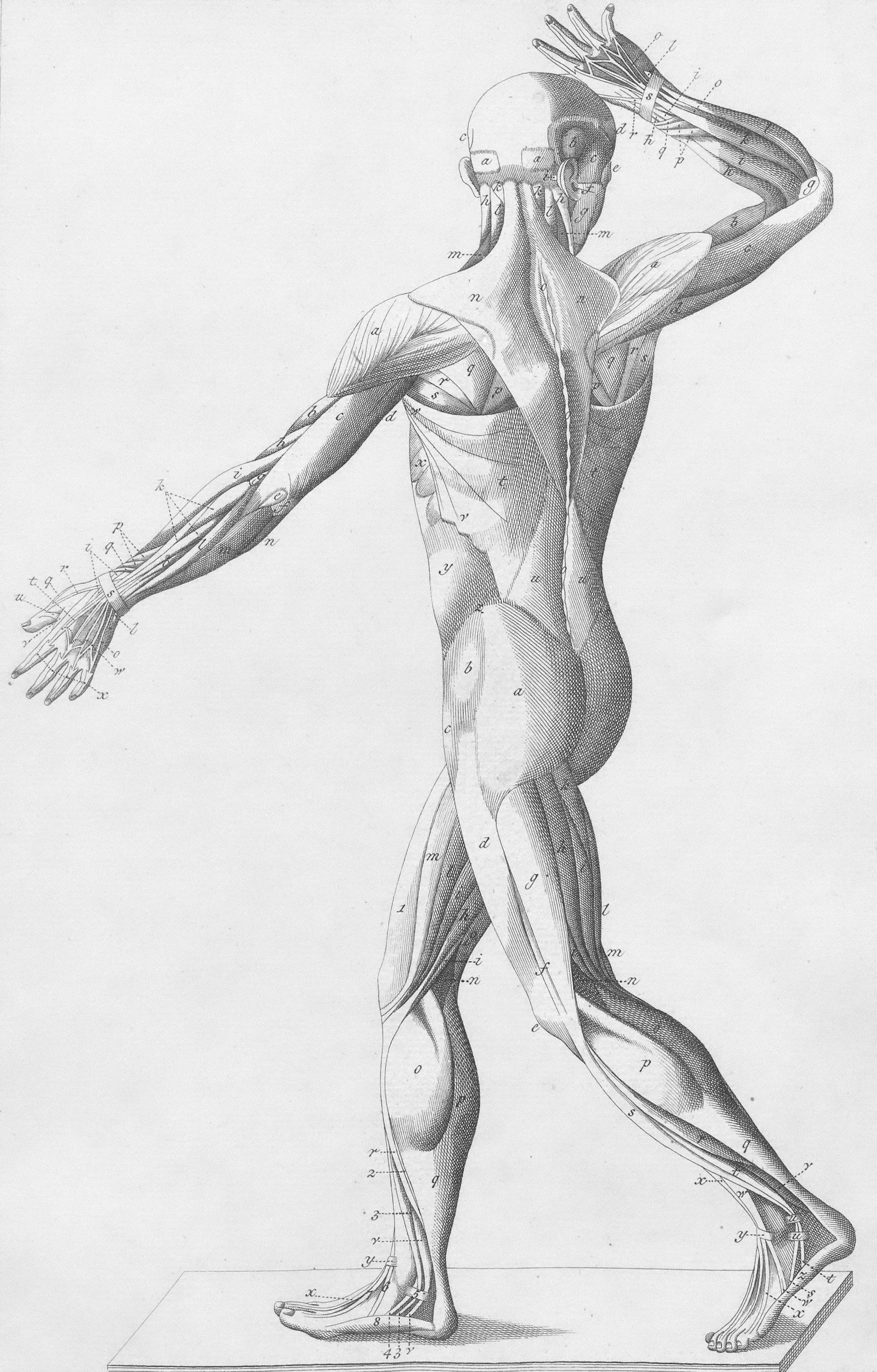
Weight loss therapies have transformed the treatment landscape for obesity and metabolic disease. As more patients achieve significant weight reduction, healthcare providers and researchers are increasingly focusing on a new question: what happens to muscle during weight loss?
While reducing excess body weight can improve health outcomes, weight loss often involves the loss of both fat and lean muscle mass. Because muscle plays an important role in mobility, strength, metabolism, and overall physical function, preserving muscle has become a growing area of interest for researchers and pharmaceutical companies. As a result, a new generation of therapies is being developed with a goal that extends beyond weight loss alone: improving body composition while maintaining strength and function. [1-3]
—
Why Muscle Mass Matters
Muscle does more than support movement. It plays a critical role in:
Strength and mobility
Balance and fall prevention
Physical function
Metabolic health
Healthy aging
Loss of muscle mass has been associated with reduced physical performance, increased frailty, and a greater risk of disability, particularly among older adults. [1,2]
Because of these effects, many healthcare experts believe success should not be measured solely by the number on a scale. Instead, increasing attention is being placed on body composition, which considers both fat mass and lean muscle mass. [2,3]
Weight Loss Is Not Just Fat Loss
Many people assume that all weight loss comes from body fat. In reality, weight loss often includes a combination of:
Fat mass
Water weight
Lean muscle mass
This has become an important discussion as highly effective weight-loss medications have gained widespread use. Clinical studies have shown that a portion of weight lost during treatment may come from lean body mass, although the proportion varies between individuals. [3,4]
For many patients, the health benefits of weight loss outweigh concerns about muscle loss. However, preserving muscle may help improve long-term outcomes by supporting strength, mobility, and overall function during and after treatment. [2,4]
Emerging Therapies Are Targeting Muscle Preservation
Pharmaceutical companies are actively developing therapies designed to preserve or build muscle during weight loss.
Several investigational treatments are targeting biological pathways involved in:
Muscle growth
Muscle maintenance
Energy metabolism
Body composition regulation
Among the most closely watched approaches are medications that inhibit myostatin, a protein that naturally limits muscle growth, as well as therapies that target other pathways involved in maintaining skeletal muscle. Researchers are also evaluating combination approaches that pair weight-loss medications with muscle-preserving therapies. [5,6]
While many of these products remain in clinical development, they represent a growing effort to address one of the most commonly discussed concerns associated with substantial weight loss. [5,6]
Key Takeaways
1. Muscle mass is an important part of overall health.
Muscle supports strength, mobility, metabolism, and physical function, making its preservation an important component of long-term health outcomes. [1,2]
2. Weight loss often involves the loss of both fat and muscle.
As highly effective weight-loss therapies become more common, increasing attention is being placed on maintaining lean body mass throughout treatment. [3,4]
3. Drug developers are increasingly focused on body composition.
Emerging therapies are being designed to help preserve muscle while reducing body fat, reflecting a broader shift toward improving function and overall health rather than focusing solely on weight loss. [5,6]
By: Sarah Cirildo, PharmD
For questions, e-mail pharmd@prodigyrx.com
Citations
1. National Institute on Aging. Sarcopenia (Age-Related Muscle Loss): What Older Adults Need to Know. Accessed October 2, 2026. https://www.nia.nih.gov2. Harvard Health Publishing. Why Muscle Mass Matters as You Age. Published 2025. Accessed October 2, 2026. https://www.health.harvard.edu3. Wilding JPH, Batterham RL, Calanna S, et al. Once-weekly semaglutide in adults with overweight or obesity. N Engl J Med. 2021;384(11):989-1002. https://www.nejm.org/doi/full/10.1056/NEJMoa20321834. Ryan DH, Lingvay I, Colhoun HM, et al. Body composition and weight reduction during obesity treatment: clinical implications. Obesity. 2024;32(4):715-724. https://pubmed.ncbi.nlm.nih.gov/38907684/ 5. Nature Reviews Drug Discovery. Muscle-preserving obesity therapies emerge as next frontier in metabolic medicine. Published 2025. Accessed October 2, 2026. https://www.nature.com/articles/s41573-026-01427-1 6. PharmaVoice. Obesity drugmakers chase weight loss. Biohaven is betting on muscles. Published July 31, 2025. Accessed October 2, 2026. https://www.pharmavoice.com/news/obesity-weight-loss-biohaven-muscle/818704/
